 WAYMORE TOOLS
Air Blower Safety Guide for Wholesale Buyers: Debris Projection, Hearing Loss, and Electrical Safety
Meta Description: B2B air blower safety guide — debris projectile hazards, hearing protection requirements, electrical safety standards, and compliance ...
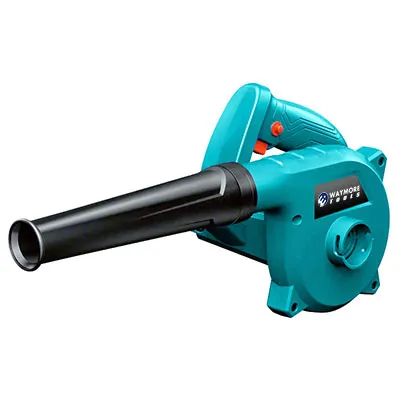
Air Blower Safety Guide for Wholesale Buyers: Debris Projection, Hearing Loss, and Electrical Safety
Meta Description: B2B air blower safety guide — debris projectile hazards, hearing protection requirements, electrical safety standards, and compliance for wholesale buyers.
Introduction
Air blowers (also known as leaf blowers, job site blowers, or dusters) are ubiquitous across construction, landscaping, and industrial maintenance. Despite their apparent simplicity, they present a surprisingly broad range of hazards: high-velocity debris projection, dangerous noise levels, and electrical shock risks in wet environments.
According to the CPSC, blower-related injuries have been on the rise as cordless models increase in power and usage expands beyond traditional landscaping into construction cleanup and equipment maintenance.
For wholesale buyers, air blowers are a high-volume, high-rotation category. Ensuring safety across this product line requires understanding the unique risks and selecting tools with appropriate safety features.
Debris Projection: The Primary Hazard
The Physics of Debris Hazards
A typical job site blower generates air speeds of 140–200 mph (225–320 km/h). At these velocities, even small particles become dangerous projectiles:
| Particle Type | Mass | Speed | Potential Injury |
|---|---|---|---|
| Dust and fine grit | < 0.1 g | Full airspeed | Eye irritation, corneal abrasion |
| Wood chips | 0.5–5 g | 60–80% of airspeed | Soft tissue puncture, eye injury |
| Gravel / pebbles | 5–20 g | 30–50% of airspeed | Bruising, laceration, eye damage |
| Metal shavings | 1–10 g | 40–60% of airspeed | Eye penetration, skin puncture |
| Glass fragments | 1–5 g | Variable | Severe laceration, eye injury |
Blowback: The Hidden Danger
When an air stream hits a solid surface, it creates a blowback effect — particles ricochet toward the operator. This is most dangerous in confined spaces where the rebound direction is unpredictable.
Example scenario: A worker clears metal shavings from a CNC machine bed using a compressed-air duster. The air stream hits the back wall of the machine and rebounds, carrying shavings directly into the operator's unprotected face.
Debris Mitigation Features
1. Variable speed trigger vs. fixed speed
- Variable speed allows operators to reduce air velocity for delicate cleaning
- Fixed-speed blowers remove operator discretion — debris hazard is higher
2. Nozzle design
- Flat nozzles produce a high-velocity air knife — best for surface cleaning
- Round nozzles produce a concentrated stream — higher projectile energy
- Diffuser tips spread the air stream over a wider area — safer for occupied workspaces
3. Integrated debris screens
- Some backpack blowers include intake screens that prevent larger objects from entering the impeller — reducing the chance of the blower itself becoming a projectile launcher
4. Directional exhaust
- Blowers with adjustable exhaust direction allow the operator to direct the air away from themselves and bystanders
Hearing Loss: The Overlooked Risk
Noise Levels by Blower Type
| Blower Type | Typical Noise Level (dB(A)) | Safe Exposure (OSHA) |
|---|---|---|
| Corded handheld blower | 90–98 dB | 2–4 hours without protection |
| Cordless handheld blower | 85–95 dB | 2–8 hours without protection |
| Gas backpack blower | 98–108 dB | 15–60 minutes without protection |
| Gas handheld blower | 100–110 dB | 10–30 minutes without protection |
| Pneumatic duster (compressed air) | 85–100 dB | 30–120 minutes without protection |
Key Observations for Wholesale Buyers
- Gas-powered blowers consistently exceed 100 dB(A) — hearing protection is mandatory under OSHA
- Cordless blowers are significantly quieter but still exceed the 85 dB(A) action level
- Noise regulation is tightening in many jurisdictions — some areas restrict gas blower hours or ban them entirely
Hearing Protection Recommendations
| Blower Type | Recommended Protection |
|---|---|
| Cordless handheld (sub-95 dB) | Foam earplugs (NRR 29+) |
| Corded handheld | Pre-molded plugs or passive muffs |
| Gas handheld or backpack | Electronic ear muffs with comms |
| Pneumatic duster | Dual protection (plugs + muffs) |
The "Masking" Effect of Blower Noise
Even at moderate dB(A) levels, blower noise creates a broadband frequency output that masks safety-relevant sounds — backup alarms, shouted warnings, approaching vehicles. Electronic ear muffs with sound amplification help mitigate this risk.
Electrical Safety: Water and Debris
Outdoor Electrical Hazards
Blowers are frequently used outdoors, often in damp or wet conditions. This combination with electric power creates substantial risk:
- GFCI protection is required under NEC Article 210.8(F) for all outdoor outlets
- Corded blowers should have plug-integrated GFCI with visible test/reset buttons
- Extension cord warning — longer cords cause voltage drop, overheating, and fire risk. Recommend 12–14 AWG cords ≤ 100 feet
Battery-Powered Blowers: Reducing Electrical Risk
Cordless blowers eliminate electrical shock hazard entirely, making them the safer choice for outdoor work. Additional advantages:
- No cord tripping hazard on job sites
- Operable in wet conditions where corded tools would be prohibited
- Reduced noise contributes to better on-site communication
- No fuel vapors or exhaust (comparison to gas models)
Battery Safety Considerations
For wholesale buyers, lithium-ion battery quality is a safety consideration in blowers:
- Look for battery management system (BMS) with overcharge, over-discharge, short-circuit, and temperature protection
- Verify batteries are UN 38.3 certified for transport
- Stock IPX-rated batteries (IP54 minimum) for outdoor use
- Include battery storage and transport guidelines with every cordless blower
Additional Safety Features
1. Trigger Lock-Off
Blowers should never start when the trigger is bumped during transport. A lock-off button requiring two deliberate actions to start is essential.
2. Vacuum Mode Safety
Blowers with vacuum/mulching capability add additional hazards:
- Rotating impeller blades are exposed during vacuum operation
- Warning labels must be present near the intake opening
- Vacuum bags can strain and eject debris if overfilled
- Metal or glass objects drawn into the vacuum can damage the impeller and eject fragments
3. Overload Protection
Motor overload protection prevents the blower from overheating when the intake is blocked or the impeller is jammed. This is especially important in heavy dust environments.
4. Air Filtration (Pneumatic Blowers)
Compressed-air dusters should include moisture filters at the air inlet. Unfiltered compressed air can contain:
- Water droplets (corrosion risk to equipment)
- Oil vapor (slip hazard, inhalation risk)
- Pipe scale and debris (projectile risk)
Compliance Standards
| Standard | Region | Scope |
|---|---|---|
| ANSI/OPEI B175.2 | USA (gas blowers) | Noise emission limits |
| EN 62841-1 | EU | Power tool safety (general) |
| EN 62841-2-19 | EU | Power tool safety (blowers) |
| ISO 3744 | International | Noise level measurement |
| OSHA 29 CFR 1910.95 | USA | Occupational noise exposure |
| OSHA 29 CFR 1910.212 | USA | Machine guarding (impeller) |
Local Noise Ordinances
Many municipalities impose restrictions on blower use:
- Operating hours — Often restricted to 7:00 AM–8:00 PM on weekdays
- Noise limits — Typically 55–65 dB(A) at property line
- Gas blower bans — Up to 100+ US cities have adopted or proposed bans on gas-powered leaf blowers
Wholesale buyers should consider stocking cordless models as a proactive response to tightening regulations.
End-User Training Materials
Include with every air blower order:
Debris safety card:
- "Clear the work area of loose debris before starting"
- "Never point the blower at people or animals"
- "Wear ANSI Z87.1 rated safety glasses with side shields"
- "Use diffuser nozzles in occupied areas"
Hearing protection chart:
- Noise levels for each blower model
- Recommended hearing protection by duration of use
Pre-use inspection checklist:
- Inspect for cracks or damage to the housing
- Verify trigger lock-off functions correctly
- Check intake screen for blockage
- Ensure nozzle is securely attached
Why Waymore Tools Blows Away the Competition on Safety
At Waymore Tools, every air blower in our wholesale inventory is evaluated for:
- Variable speed control — operator has full control over air velocity
- Noise reduction — we prioritize cordless models with dB(A) below 95
- Trigger lock-off — standard on all models, never optional
- Battery safety — all cordless models use UN 38.3 certified batteries with BMS
Additional wholesale benefits:
- Bulk hearing protection bundles (earplugs and muffs) at wholesale pricing
- Safety glasses in bulk for blower orders
- Free debris safety cards with every order
- Full compliance documentation for noise and electrical safety
- Dedicated account management for landscaping and fleet buyers
Conclusion
Air blowers may seem simple, but their hazards are real and varied. Debris projection, hearing loss, and electrical risks require careful attention from wholesale buyers stocking this category.
By selecting tools with variable speed control, reasonable noise profiles, electrical safety features, and appropriate battery management, wholesale buyers can protect end users and differentiate their inventory in a competitive market.
A blower should move dirt — not create danger.
👉 Ready to stock safer air blowers? Contact Waymore Tools for wholesale pricing, compliance documentation, and safety bundling options.
Waymore Tools — Blow Clean. Stay Safe.
Grow Your Business with Waymore Tools
Direct factory pricing with professional quality. ISO 9001 certified, CE/FCC approved.
MOQ: 100 sets | Samples Available
Sourcing next step: compare the full air blower range, or review a specific model such as the Professional Custom Portable Mini Air Blower with our export team — OEM/ODM branding, MOQ 100 units.