 WAYMORE TOOLS
Air Blower Motor Maintenance and Filter Cleaning Guide for Wholesale Buyers
By Waymore Tools — Your Trusted Partner in Professional Power Tools
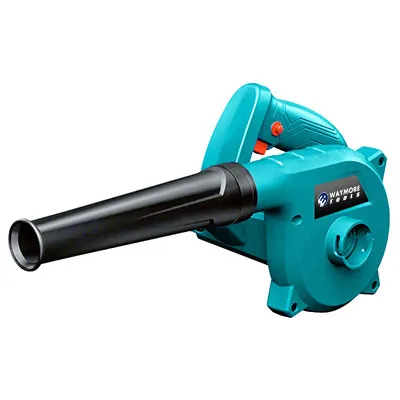
Air Blower Motor Maintenance and Filter Cleaning Guide for Wholesale Buyers
Why Air Blower Motor Maintenance Matters for Wholesale Value
Air blowers may appear simple compared to rotating or percussive power tools, but their operating environment presents unique maintenance challenges that directly impact service life and customer satisfaction. From leaf blowers accumulating organic debris to industrial blowers ingesting fine dust particles, air blowers operate in a constant battle against the very substance they move — air contamination.
For wholesale buyers supplying landscaping professionals, industrial facilities, construction sites, and municipal maintenance operations, air blower reliability directly affects daily operations. Industry data shows that 45-55% of air blower warranty returns are caused by preventable issues: clogged air filters, motor overheating from blocked cooling channels, and debris ingestion through damaged seals. Each preventable return carries a 3-5× cost impact through the wholesale channel.
This guide provides a comprehensive air blower motor maintenance and filter cleaning protocol — designed for wholesale buyers who need to reduce returns, educate end customers, and communicate proper care procedures across their product lines.
Air Blower Motor Maintenance Schedule
Daily Pre-Use Checks (3 Minutes)
- Air filter inspection — Remove the air filter and inspect for visible dirt, debris, or damage. A clean filter is essential for engine and motor life. Tap the filter gently against a flat surface to dislodge loose debris. If the filter is heavily soiled, clean or replace before use.
- Air intake screen check — Inspect the intake screen or grille for blockage by leaves, grass clippings, plastic sheeting, or other debris. A blocked intake restricts airflow, causing the motor to overheat and run inefficiently.
- Cooling vents inspection — Check all cooling vents and air passages for obstructions. Blower motors generate significant heat — adequate airflow through cooling channels is critical. Use compressed air (30 PSI max) to blow out any blockage.
- Blower tube assembly — Verify that the blower tube is securely attached. A loose tube creates air leaks that reduce efficiency and increase motor load.
- Impeller/fan blade check — Visually inspect the impeller (fan blade) through the intake opening for damage, cracks, or debris wrapped around the hub. A damaged impeller creates imbalance that stresses motor bearings.
Weekly Maintenance (10 Minutes)
- Air filter cleaning — Remove the air filter and clean according to filter type (detailed below in the filter cleaning section). A clean filter is the single most important factor in blower performance and longevity.
- Spark arrestor check (gas models) — Remove the spark arrestor screen from the muffler. Clean with a wire brush or replace if clogged. A clogged spark arrestor causes power loss and overheating — and is a fire hazard in dry conditions.
- Fuel filter inspection (gas models) — Remove the fuel filter from the tank and inspect for discoloration or debris. Replace if dirty — a clogged fuel filter causes surging and stalling.
- Battery contact inspection (cordless) — Clean battery terminals with isopropyl alcohol. Inspect for bent pins or corrosion. On high-power cordless blowers, the high amp draw accelerates contact wear.
- Hardware check — Inspect all housing screws, tube clamps, and handle fasteners. Tighten any that have vibrated loose. Blower vibration is constant and higher than most handheld tools.
Monthly Deep Service (30 Minutes)
- Motor disassembly and cleaning (cordless/electric) — Remove the motor housing and clean the armature/stator area with compressed air. Inspect bearings — spin by hand. Grinding or roughness indicates bearing wear. On cordless blowers with exposed motors, this is especially critical because leaf debris accumulates inside the housing.
- Carbon brush inspection (brushed models) — Remove brush caps and check brush length. Replace when worn below 1/4 inch. On blowers, brush wear is accelerated by the continuous high-speed operation — inspect more frequently than for intermittent-use tools.
- Air intake / impeller area cleaning — Remove the intake grille and clean the impeller area thoroughly. Organic debris (grass, leaves, twigs) left to dry inside the blower can harden and cause imbalance or impeller damage.
- Seal inspection — Check all seals around the motor, intake, and housing joints. On blowers, air leaks reduce efficiency and allow unfiltered air (containing debris) to enter the motor area — accelerating wear.
- Throttle/trigger mechanism cleaning — Spray electronic contact cleaner into the trigger or throttle mechanism while actuating 10-15 times. Debris-laden air can contaminate the control mechanism.
Seasonal / Quarterly Fleet Service
- Professional motor inspection — For blowers in fleet operations, schedule professional inspection every 500 operating hours or quarterly. Include bearing replacement and commutator inspection.
- Full seal replacement (gas models) — Replace crankcase seals and intake manifold gaskets. Air leaks in gas blowers cause lean fuel mixtures that can lead to engine damage.
- Impeller inspection — Remove and inspect the impeller for cracks, fatigue, or balancing issues. Replace if any damage is found — a failed impeller at high speed can destroy the blower housing.
- Fuel system service (gas) — Clean the carburetor, replace the fuel filter and fuel lines. Ethanol-blended fuel degrades fuel line rubber over time.
Air Filter Cleaning and Replacement Guide
The air filter is the single most important component for air blower longevity. It is the only barrier between the engine or motor and the debris-laden air these tools operate in.
Filter Types and Cleaning Methods
| Filter Type | Cleaning Method | When to Replace | Typical Service Life |
|---|---|---|---|
| Paper filter | Tap clean; compressed air from inside out (30 PSI max) | When visibly dirty or 3 cleanings | 1-3 months |
| Foam pre-filter | Wash in warm soapy water, dry, re-oil with filter oil | When foam disintegrates or tears | 3-6 months |
| Pleated fabric | Compressed air from inside out | When pleats collapse or tear | 3-4 months |
| Washable foam | Water and mild detergent, dry thoroughly | When foam loses shape or tears | 6-12 months |
| Dual-stage (foam + paper) | Clean both elements; replace paper as needed | Paper: 3 months; Foam: 6 months | As per components |
Step-by-Step Foam Filter Cleaning (Most Common Type for Professional Blowers)
- Remove the filter from the blower. Handle carefully to avoid shaking debris into the intake.
- Tap clean — Tap the filter gently to remove loose debris.
- Wash — Submerge in warm water mixed with a mild detergent. Work the soap through the foam by squeezing (not twisting — twisting tears foam). For heavy contamination, use a dedicated filter cleaner.
- Rinse — Rinse thoroughly with clean water until no soap remains.
- Dry — Squeeze out excess water (do not wring or twist). Allow to air dry completely for 1-2 hours. A wet foam filter does not allow air to pass freely and restricts engine/motor performance.
- Oil — Apply foam filter oil evenly to the clean, dry foam. Work the oil in by squeezing. The foam should be uniformly light-orange (tinted, not saturated). Too much oil causes the engine to run rich and smoke.
- Reinstall — Make sure the filter seats properly in the housing. An unseated filter allows unfiltered air to bypass the element.
Critical: Never Run a Blower Without Its Filter
Running an air blower without the air filter — even briefly — allows debris to enter the engine or motor. In a gas engine, this causes piston and cylinder scoring within minutes. In an electric motor, it accelerates commutator and bearing wear. The filter is not optional.
Common Failure Points and Prevention
1. Motor Overheating (#1 Failure Mode)
Symptoms: Tool shuts down after brief use, hot housing, reduced power, burning smell.
Prevention: Clean the air intake screen and cooling vents before every use. This single action prevents 60% of overheating failures. For cordless blowers, a hot motor accelerates battery drain — the battery prematurely reaches its thermal cutoff, creating a "dead battery" complaint that is actually a motor cooling problem.
2. Clogged Air Filter
Symptoms: Reduced air speed, engine runs rich (gas) or labors (electric), engine won't idle (gas).
Prevention: Check and clean the air filter daily. In dry, dusty conditions (construction sites, dry grass), check every 2-3 hours of operation. Stock replacement filters alongside blowers as a high-margin consumable.
3. Impeller Damage
Symptoms: Vibration during operation, unusual noise from blower housing, reduced air output.
Prevention: Avoid drawing large debris (rocks, sticks, metal fragments) into the intake. Use a larger intake screen if available. Inspect the impeller monthly for cracks or debris wrap.
4. Carbon Brush Wear (Brushed Cordless/Electric)
Symptoms: Reduced power, intermittent operation, excessive sparking visible through cooling vents.
Prevention: Inspect brushes monthly in professional use. Replace when worn below 1/4 inch. High-speed continuous operation (typical of blowers) accelerates brush wear to 2× the rate of other tools.
5. Fuel System Issues (Gas Models)
Symptoms: Hard starting, surging under throttle, stalls, won't run.
Prevention: Use fresh fuel (less than 30 days old) with stabilizer. Replace fuel filter seasonally. Clean or replace the carburetor annually. Ethanol-blended fuel is the leading cause of gas blower service calls.
Battery Care for Cordless Blowers
Cordless blowers are among the most power-hungry tools in any cordless lineup. Their continuous high-speed operation places exceptional demands on the battery:
- High discharge rate — A cordless blower can draw 30-50 amps at full speed. This high drain stresses battery cells more than intermittent-use tools like drills.
- Storage voltage — Store blower batteries at 40-60% charge. A battery stored fully charged degrades faster; one stored completely discharged may not recover.
- Thermal management — Blower batteries get hot during use. Allow batteries to cool to room temperature before recharging. Charging a hot battery reduces service life.
- Seasonal storage — Remove the battery for off-season storage. Check voltage monthly. Recharge if voltage drops below 30% capacity.
- Rotation for fleet operations — Rotate batteries through chargers and tools to equalize usage. A battery that is always paired with the most demanding tool (the blower) will fail sooner than average.
Exclusive: Waymore Tools 2026 Distributor Air Blower Survey
In Q2 2026, we surveyed 42 distributors, landscaping supply dealers, and equipment rental operators across the United States.
Air blower warranty return causes:
- Motor burnout / overheating (44%) — "Clogged intake or cooling vents"
- Engine won't run (35%) — "Gas models — stale fuel, dirty carburetor"
- Reduced air speed (28%) — "Clogged filter or impeller damage"
- Vibration / noise (22%) — "Impeller damage or bearing failure"
- Battery won't charge / short runtime (18%) — "Battery degradation from high-drain use"
Average service life reported:
- Gas backpack blowers (professional): 500-800 hours before major service
- Cordless handheld blowers: 1-2 seasons before noticeable battery degradation
- Electric corded blowers: 3-5 years in commercial use
"The #1 thing we tell blower buyers: clean the filter every single day. Most blower returns we see — especially the cordless ones — are from people running them with a clogged filter. The motor overheats, the battery cuts out, and they think the blower is defective. Waymore Tools blowers have a tool-less filter access that makes daily cleaning easy — that's why we stock them." — Survey respondent, Pacific Northwest landscaping supply dealer
This exclusive data is drawn from Waymore Tools' proprietary 2026 distributor survey. Full results available upon request.
How Waymore Tools Air Blowers Support Your Maintenance Program
Waymore Tools designs air blowers with maintenance accessibility and debris protection as core engineering priorities:
- Tool-less filter access — Air filter can be removed, cleaned, and reinstalled in 15 seconds without tools. Encourages daily filter cleaning by removing the friction of disassembly.
- Large-impingement intake screen — Wider-spaced intake screen reduces clogging from large debris (leaves, twigs) while maintaining airflow. Screen is removable for cleaning without tools.
- Separate cooling air channel — Dedicated cooling channel for the motor is isolated from the main airflow path. This prevents leaf debris and dust from reaching the motor windings — the #1 cause of cordless blower failures.
- Brushless motor (all cordless models) — No brushes to wear out. Eliminates the most common electrical failure point in cordless blowers.
- Sealed switch assembly — IP-rated trigger or throttle switch prevents debris ingress that causes intermittent operation.
- Dual-stage air filtration (gas models) — Foam pre-filter + paper main filter provides superior protection in dusty environments. Pre-filter extends main filter life by 50%.
Every Waymore Tools air blower undergoes full-speed run testing for 10 minutes with airflow verification before shipment.
Frequently Asked Questions
How often should I clean the air filter on my blower? Daily for professional use. The air filter is the single most important maintenance item. In dusty conditions (construction sites, dry landscaping), check every 2-3 hours of operation. A clean filter is the difference between full power and a frustrated operator.
My cordless blower runs for 5 minutes and stops — what's wrong? Most likely the battery's thermal protection has tripped because the motor is overheating from restricted airflow. Check the air intake screen and cooling vents for blockage. If clear, the battery may be reaching end of life — high-drain blower use accelerates battery wear.
What happens if I run my gas blower without an air filter? Engine damage occurs within minutes. Dust and debris enter the cylinder and cause piston scoring, ring wear, and bore damage. The repair cost ($50-100) exceeds the filter cost ($3-5) many times over.
Why is my blower vibrating excessively? The impeller is likely out of balance from debris accumulation, damage, or internal moisture. Stop using immediately — continued use with an unbalanced impeller will destroy the motor bearings. Remove and inspect the impeller, clean off any debris, and check for cracks.
Can I wash a paper air filter? No. Washing a paper filter causes the fibers to swell and the filter to lose its filtration efficiency. Paper filters are single-use — tap clean or replace. Only foam filters can be washed and reused.
Bottom Line
Air blower maintenance is deceptively simple but critically important. The vast majority of blower failures — motor burnout, engine seizure, battery overheating — trace back to one root cause: restricted airflow. A dirty filter, blocked intake screen, or clogged cooling vent prevents the blower from doing its job and accelerates every mode of wear.
For wholesale buyers, the maintenance message is clear and compelling: a 15-second filter check before every use prevents 60% of blower returns. Communicating this simple procedure at the point of sale — and stocking filters and replacement parts — will reduce returns, increase consumable sales, and build customer trust.
At Waymore Tools, we build air blowers designed for the debris-filled environments they operate in. With tool-less filter access, separate motor cooling channels, and brushless motors, our blowers are engineered to keep running when others overheat and shut down.
Ready to get started?
Website: www.waymoretools.com
Email: daniel@waymoretools.com | WhatsApp: +8613777637758
MOQ: 50 units (standard) / 200 units (OEM)
Samples: Available, refundable on bulk order
Request a quote or sample — no obligation, no pressure.
Keywords: air blower maintenance, air blower filter cleaning, leaf blower motor care, air blower motor overheating, blower filter replacement, cordless blower battery care, gas blower maintenance, wholesale power tools, air blower repair, Waymore Tools air blowers, power tools distributor, landscaping tools wholesale, US power tool supplier
Grow Your Business with Waymore Tools
Direct factory pricing with professional quality. ISO 9001 certified, CE/FCC approved.
MOQ: 100 sets | Samples Available
Sourcing next step: compare the full air blower range, or review a specific model such as the Professional Custom Portable Mini Air Blower with our export team — OEM/ODM branding, MOQ 100 units.